Comprehending the Trick Conveniences of HDPE Pipeline for Water and Wastewater Monitoring
The use of HDPE pipeline in water and wastewater administration presents countless advantages that merit factor to consider. Its extraordinary longevity and lengthy life expectancy make it a favored option for many tasks. In addition, the product's resistance to deterioration and chemical damages boosts its dependability in different atmospheres. The advantages prolong past just long life and resistance. hdpe pipe in stock Midland TX. Exploring its cost-effectiveness and ecological effect reveals much more engaging reasons for its prevalent adoption in modern-day infrastructure
Exceptional Durability and Longevity

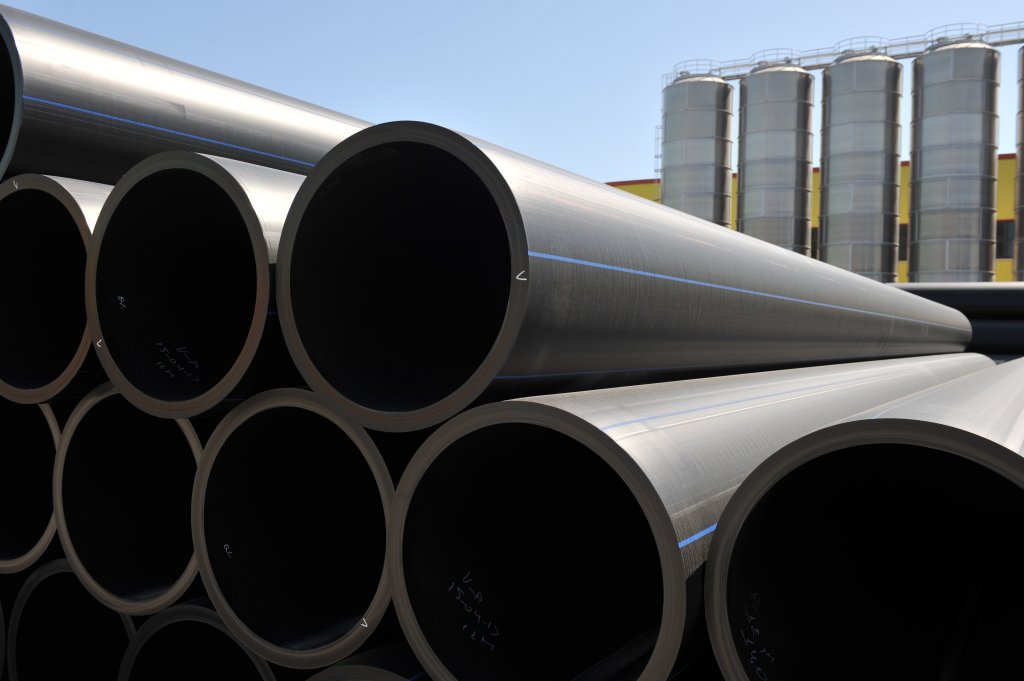
HDPE pipe attracts attention for its outstanding durability and longevity, making it a recommended option in water administration systems. Built from high-density polyethylene, these pipelines can stand up to considerable stress and tension, guaranteeing trustworthy performance in time. Their durable nature enables them to endure severe environmental problems, including temperature level fluctuations and soil activities, which can trigger various other materials to stop working.
The life-span of HDPE pipelines usually exceeds 50 years, giving a cost-effective solution for districts and markets alike. Furthermore, the product's light-weight homes simplify setup, lowering labor costs and durations. This toughness reduces the demand for constant repair services or replacements, further improving its financial charm.
In water monitoring applications, the dependability of HDPE pipes suggests less disruptions and improved solution connection, making them important to lasting framework advancement. The combination of resilience and long life strengthens HDPE's duty as a foundation in effective water administration remedies.
Resistance to Corrosion and Chemical Damages
While many materials catch deterioration and chemical damages over time, HDPE pipes show remarkable resistance, making them excellent for different water monitoring applications. This resilience stems from the molecular structure of high-density polyethylene, which is inherently non-reactive and does not wear away like metals or degrade from exposure to rough chemicals. Consequently, HDPE is very reliable in environments with aggressive substances, such as wastewater systems that might contain acids, bases, and organic solvents.
Furthermore, HDPE pipelines can endure environmental elements such as dirt acidity and saline conditions, further improving their suitability for varied applications (Pipe Manufacturing Midland TX). Their ability to keep structural honesty with time reduces the risk of leakages and failings, which is critical in making sure the safety and integrity of water circulation and wastewater monitoring systems. The resistance to rust and chemical damage substantially contributes to the general effectiveness and durability of HDPE piping services.
Cost-Effectiveness and Financial Benefits
When thinking about the economic implications of water monitoring systems, the cost-effectiveness of HDPE pipelines ends up being obvious. These pipelines offer reduced setup and maintenance expenses contrasted to traditional materials like steel or concrete. Their light-weight nature simplifies transport and installation, causing lowered labor costs. Furthermore, HDPE pipelines display a long lifespan, usually exceeding half a century, which translates to less replacements and long-term cost savings.
The resistance of HDPE to deterioration and chemical damage decreases the demand for expensive repair services and replacements. The pipelines additionally sustain reliable water circulation, lowering energy prices related to pumping systems. By reducing leaks and water loss, HDPE pipelines add to substantial economic advantages for municipalities and industries alike. Generally, the preliminary investment in HDPE piping can produce considerable economic returns over the lifespan of the water administration system, making it a prudent selection for lasting framework development.
Ecological Sustainability and Reduced Impact
Convenience and Adaptability in Installation
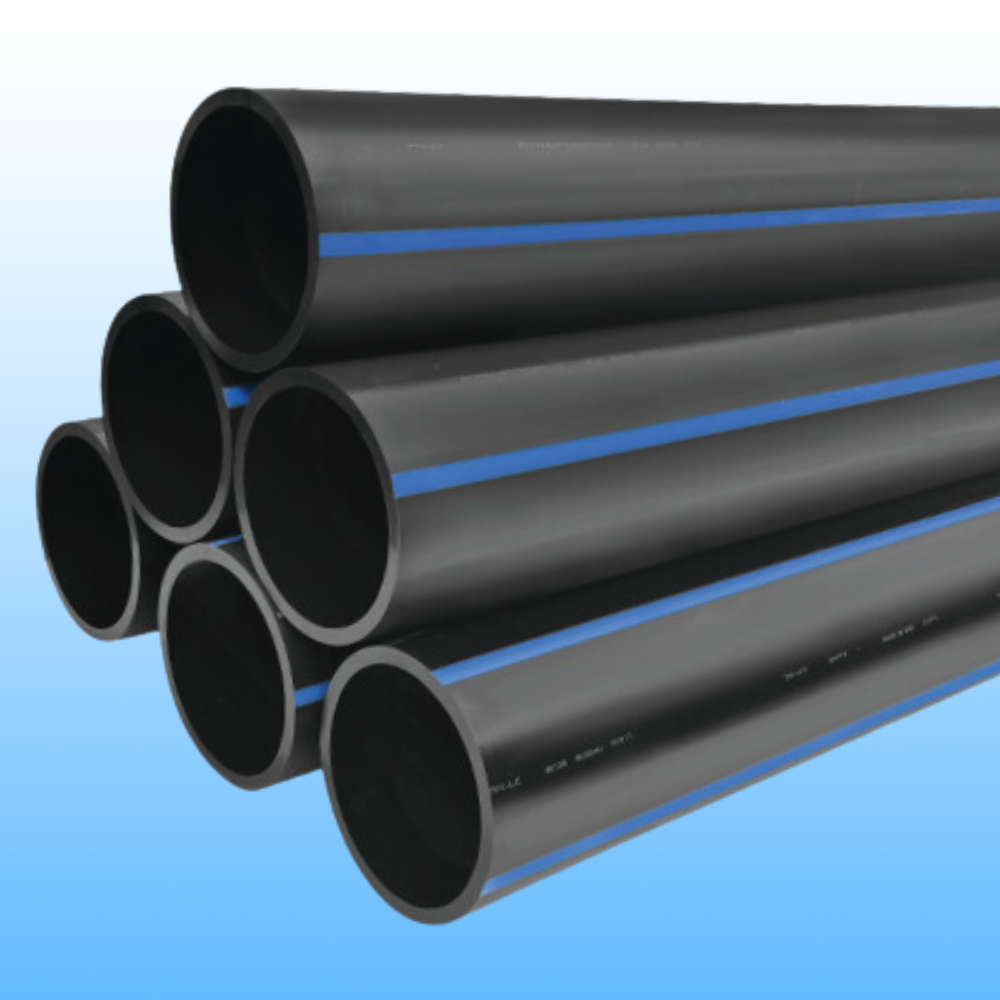
Due to their distinct residential properties, HDPE pipes supply exceptional convenience and flexibility in installment, making them appropriate for a wide variety of applications. Their lightweight nature enables less complicated handling and transport, reducing labor prices and setup time. HDPE pipes can be bent and shaped to fit different surfaces and job needs, which is particularly beneficial in testing environments.
In addition, their resistance to deterioration and chemical damage permits installation in diverse setups without the demand for specialized safety coatings. The ability to fuse joints develops a constant, leak-free system, improving the general stability and dependability of he has a good point the setup. HDPE's adaptability additionally accommodates ground motion, decreasing the danger of damage in locations prone to moving soil. Generally, these attributes make HDPE pipes not only flexible however additionally a preferred option for water and wastewater management systems.
Frequently Asked Concerns
Exactly How Does HDPE Pipe Compare to PVC in Water Monitoring Applications?
HDPE pipe uses remarkable adaptability, resistance to deterioration, and toughness contrasted to PVC. Its lighter weight facilitates simpler bathtub drain pipe setup, while its long life-span reduces replacement prices, making HDPE a recommended selection in water administration applications.
What Is the Life Expectancy of HDPE Pipeline Under Typical Conditions?
Under normal conditions, HDPE pipelines can have a lifespan varying from 50 to 100 years. Their longevity and resistance to corrosion add to their long-term performance in numerous applications, making them a trustworthy selection for facilities.
Are HDPE Pipes Recyclable After Their Service Life?
Yes, HDPE pipes are recyclable after their life span. Midland TX HDPE Pipe Fittings in Stock. They can be refined and repurposed right into brand-new items, greatly minimizing ecological impact and advertising sustainability within the market, making them a green option for piping options
What Is the Installment Process for HDPE Pipes?
The setup procedure for HDPE pipelines entails website preparation, trenching, pipe fusion or mechanical signing up with, backfilling, and pressure testing. Proper methods guarantee a resilient and reliable system for carrying water and wastewater effectively.
Can HDPE Pipes Be Made Use Of for Both Safe And Clean and Non-Potable Water Equipments?
Yes, HDPE pipelines can be utilized for both potable and non-potable water supply. Their adaptability, resilience, and resistance to deterioration make them appropriate for different applications, making certain secure and effective transport of water in different contexts.